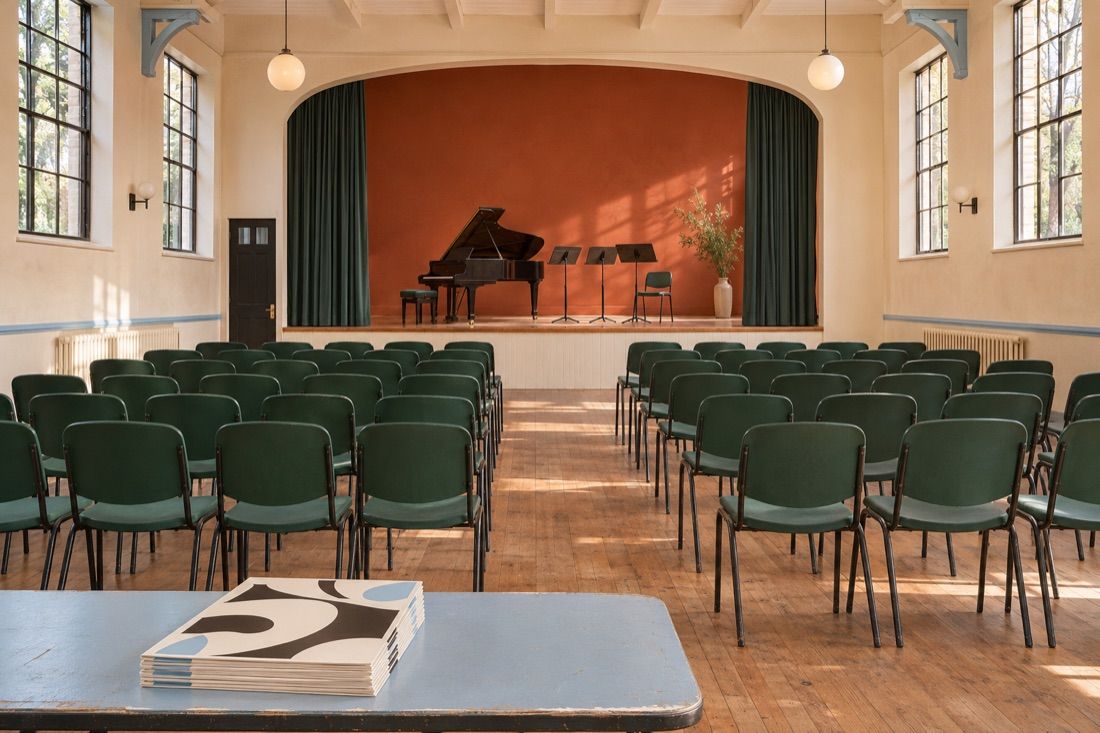
Why there is no average price
Searches such as what is the average cost to rent a hall return a wide spread of numbers because the question mixes very different things: a school classroom, a church hall, a university recital room, a restaurant function room and a purpose-built concert hall are priced in different ways, in different cities, at different times of the week. We do not quote a figure here, because any figure we gave would be wrong for most readers.
What stays constant is the structure of the price. Almost every quote is built from the same few lines, and once you can name them, two quotes become comparable.
The usual cost lines
Most quotes combine some of the following: a base hire fee for a block of hours, an hourly rate for extra time, a deposit or damage bond, charges for technical staff, front-of-house or security staff, cleaning, equipment hire, instrument tuning, ticketing fees and, in some places, a charge for use of a kitchen or bar. Taxes may be added on top.
Ask whether the hire period includes set-up and pack-down or only the time the audience is in the room. A quote for four hours that counts load-in and sound check is a different deal from four hours of performance.
Common deal types for small concerts
How much it costs to hire a music venue also depends on the deal. A flat hire fee means you pay the venue a set amount and keep the income. A door split means the venue and the performers share ticket income in an agreed proportion. Some venues combine a small fee with a share, and some programme the event themselves and pay performers a guarantee.
Non-profit spaces and places of worship may suggest a donation or a reduced community rate. Ask what basis the rate is set on and whether it is different for charitable events, rehearsals or afternoon slots.
Costs that are not on the hire quote
Your own costs usually exceed the rent. Think about a piano tuner, a sound technician if the venue does not provide one, printing, an online ticketing fee, stewards, refreshments, travel for performers, insurance and any music licensing fees. For a church or an unfamiliar room, also budget for the extra rehearsal you may need to learn how the space sounds.
Write the whole budget before you commit. If the venue deals in a percentage of income, work out the break-even number of tickets and ask whether it is realistic for the room you have in mind.
How to compare quotes for a small concert venue
Put every quote on one sheet with the same rows: hours included, staff included, equipment included, deposit, cancellation terms and what is excluded. Two small venues with the same headline fee can differ a great deal once you add the piano, the sound technician and the late finish.
Then compare the rooms, not only the prices. A cheaper hall with a dry sound may cost you more in audience enjoyment than a dearer room whose acoustics suit your music. The concert hall acoustics guide helps you judge that during a visit.
Negotiating without being awkward
Venues expect questions. Offering a quiet weekday, a repeat booking for several dates or a daytime slot gives you something to trade. A series of concerts is easier to discuss than a single night, and planning a concert series gives you the figures to offer.
Always confirm what you agree in writing, as described in the guide to booking a venue for a concert.